



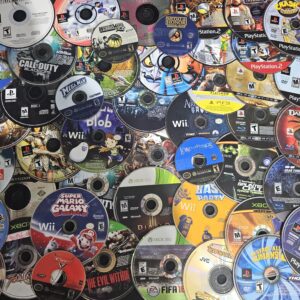

Streaming libraries shift constantly, and favorites can vanish without warning. If you care about CDs, Collectible DVDs, and Electronic music, relying only on digital access can feel uncertain and temporary.
That’s why many collectors turn to physical media through Loved Again Media, where hand-picked picks are yours to own forever with free U.S. shipping and the freedom to cancel anytime.
In this guide, you’ll learn how to build a smarter collection, protect your discs, choose the right equipment, and spot editions worth keeping. If you’re ready for lasting access and real ownership, you’re in the right place.
Why CDs, Collectible DVDs, And Electronics Still Matter For Collectors
CDs and DVDs are optical storage media that changed how people listened to music and watched movies. Even as digital streaming dominates, these formats continue to attract collectors.
CDs, or Compact Discs, hit the market in the 1980s as a way to store digital audio. A standard CD holds about 700 MB of data, or roughly 80 minutes of music. The disc uses laser technology to read digital information stored on its reflective surface.
DVDs, or Digital Versatile Discs, came after CDs and offered much more storage space. A single-layer DVD holds 4.7 GB of data, almost six times what a CD can store. This extra space made DVDs perfect for movies and larger files.
Your DVD player can play both DVDs and audio CDs through your TV speakers. CD players, on the other hand, can’t play DVDs or access the audio on them. This one-way compatibility is worth considering when you’re picking out equipment.
Format Variations And Editions
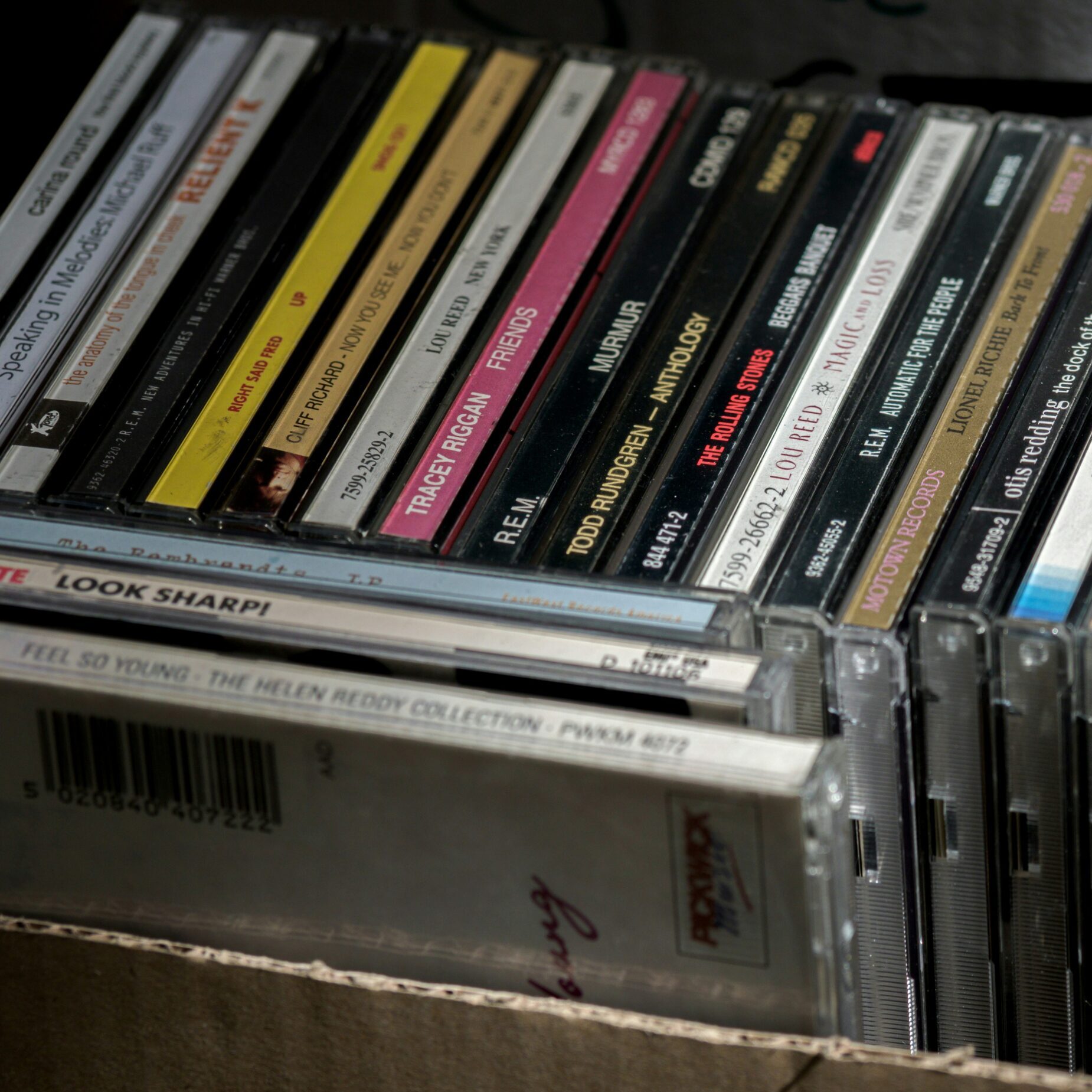
Both CDs and DVDs come in different versions for collectors. Music CDs might include standard releases, remastered editions, or limited pressings with bonus tracks. Some feature special packaging or colored discs that make them more valuable.
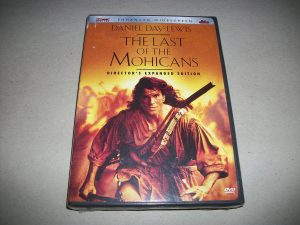
DVD collectors look for special editions with extra features like director’s cuts, behind-the-scenes content, or commentaries. Limited edition releases often include different cover art, slip covers, or booklets. Box sets package multiple discs together for complete series or collections.
First pressings of albums can be worth more than later releases. Regional variations exist, with some countries getting exclusive content or different packaging. The hunt for these unique versions is half the fun for many collectors.
Evolution In Music And Media
CDs replaced cassette tapes in the music industry during the 1980s and 1990s. They offered clearer sound quality and took up less space on your shelf. After years of declining sales, CD collecting is seeing renewed interest.
Music enthusiasts appreciate the physical format and better audio quality compared to compressed streaming files. The artwork and liner notes included with physical albums add another layer of enjoyment. DVDs became the standard for home video in the late 1990s and early 2000s.
While streaming services now dominate video consumption, many people keep DVD collections for sentimental reasons. Others hold onto discs because they want permanent access to specific titles. There’s something comforting about knowing your favorites won’t disappear overnight.
Collecting Music And Movies: From CDs To DVDs
CDs and DVDs offer collectors physical media with artwork, liner notes, and bonus features that digital formats just can’t match. Certain genres, limited editions, and rare releases can increase in value over time, making authentication crucial for serious collectors.
Popular Collectible Genres
Rock and pop CDs from the 1980s and 1990s are still highly sought after, especially first pressings and albums from iconic bands. Jazz and classical music collections attract dedicated collectors who value superior sound quality and rare recordings.
Horror and science fiction DVDs generate strong collector interest, particularly special editions with director’s cuts and behind-the-scenes content.
Curated film releases often hold value thanks to restoration quality and thoughtful supplements. Soundtrack albums on CD appeal to both music and movie collectors. Import versions sometimes include bonus tracks not available on domestic releases, making them more valuable.
Anime and cult classic DVDs maintain steady collector demand. Box sets with complete series or director’s cuts can command premium prices in the secondary market.
Limited Editions And Rarity
Limited edition releases typically feature special packaging like digipaks, slipcases, or numbered copies. These versions often include bonus discs, expanded booklets, or exclusive artwork that standard releases lack. Out-of-print titles become more valuable as availability decreases.
Record labels sometimes discontinue releases due to licensing issues or low sales, creating scarcity. First pressings can be worth more than later releases. You can identify these by checking the matrix numbers etched near the center ring of CDs or the manufacturing codes on DVD cases.
Regional exclusives from Japan, Europe, or other markets offer content variations. Import discs may contain different mixes, alternate covers, or additional material not released domestically.
Tips For Identifying Authentic Items
Check the disc quality and printing. Legitimate releases have crisp, professional printing on both the disc surface and packaging, while counterfeits often show blurry text or color inconsistencies. Examine the barcode and catalog numbers against online databases.
Each official release has unique identifying codes you can verify through music and movie cataloging resources. Look for official licensing logos and copyright information on both packaging and disc labels.
Feel the packaging materials, since original releases tend to use higher-quality cases and printing. Compare prices to typical market values. If a rare item sells for significantly less than common listings, it’s likely counterfeit or damaged.
The Role Of Electronics In Music And Media Collections
You need the right electronics to play your CDs and DVDs, and keeping that gear in good shape makes a real difference. Proper maintenance and setup help you get the best sound and picture quality from your collection.
Essential Playback Equipment
A good CD player forms the foundation of any music collection. You can choose between standalone players, portable models, or combo units that handle both CDs and DVDs. Most modern CD players include features like skip protection, digital displays, and remote controls.
For DVD playback, you need either a dedicated DVD player or a Blu-ray player that plays both formats. These connect to your TV through HDMI cables for the best quality. Many DVD players also work as CD players, which saves space and money.
Key components you should have:
- CD or DVD player with digital output
- Amplifier or receiver to power your speakers
- Quality speakers or headphones
- Proper cables (HDMI, optical, or RCA)
- Surge protector to guard against power spikes
Your amplifier boosts the audio signal from your player. Receivers include built-in amplifiers and let you switch between different audio sources. Budget receivers start around $200, while high-end models can cost thousands.
Maintaining And Restoring Devices
Regular cleaning keeps your equipment running smoothly. Dust the exterior of your devices weekly with a soft cloth. Clean CD and DVD lenses every few months using a lens cleaning disc or compressed air.
Check your cables at least twice a year for wear or damage. Replace any cables that show cracks, exposed wires, or loose connections. Store backup cables in a cool, dry place.
Older equipment sometimes needs repairs. CD players from the 1990s often need new belts or laser assemblies. Some vintage players are worth restoring if they have superior build quality or unique features. Keep your devices in a ventilated area away from direct sunlight. Leave at least two inches of space around each device for airflow.
Best Practices For Audio And Visual Quality
Position your speakers at ear level when seated. Place them at equal distances from your listening spot to create a balanced soundstage. Angle them slightly toward you for better clarity.
Use quality cables for better signal transfer. Optical or HDMI cables prevent interference and deliver cleaner sound than analog RCA cables. You don’t need to buy premium cables, but avoid the absolute cheapest options.
Adjust your player’s settings to match your setup. Set the output resolution to match your TV’s capabilities. Turn off unnecessary sound processing features that can muddy the audio.
Settings to check:
- Audio output format (PCM or bitstream)
- Video resolution (480p, 720p, or 1080p)
- Aspect ratio (16:9 or 4:3)
- Dynamic range control
Clean your CDs and DVDs before playing them. Wipe from the center outward with a microfiber cloth. Never use paper towels or circular motions, which can scratch the surface.
Buying, Selling, And Preserving Your Collection
Knowing where to buy and sell your media, how to determine fair prices, and proper storage methods will help you build and maintain a valuable collection over time.
Marketplaces For CDs, DVDs, And Electronics
You have several options when buying or selling your collection. Large online resale marketplaces let you reach buyers worldwide and sell items individually or in bulk. Music-focused cataloging marketplaces help you match exact pressings and track recent sale prices.
General marketplaces work well for both common and rare items across categories. Local record stores often buy used CDs and DVDs, especially if they focus on collectible or vintage media. The benefit of selling locally is immediate payment and fewer shipping hassles.
Local pickup apps and neighborhood groups connect you with buyers nearby. These options work best for bulk sales or common items that might not be worth the shipping costs.
Grading And Pricing Collectibles
The condition of your items directly affects their value. Check both the disc and packaging carefully before setting a price. Grading typically follows these categories:
- Mint/Sealed: Never opened, perfect condition
- Near Mint: Opened but shows no wear
- Very Good: Light scratches that don’t affect playback
- Good: Visible wear with minor playback issues
- Acceptable: Heavy wear, but still plays
Box sets, imports, and audiophile editions usually sell for more than standard releases. Limited pressings and out-of-print titles can command premium prices. Research completed sales to see what buyers actually pay.
Listed prices don’t reflect true value; only completed transactions do. Factor in shipping costs and platform fees when pricing items for sale.
Storage And Preservation Techniques
Proper storage protects your collection from damage and maintains its value. Keep CDs and DVDs in their original cases and store them vertically like books to prevent warping. Store your collection in a cool, dry place away from direct sunlight.
Heat and humidity can damage discs and fade artwork. Avoid basements and attics where temperature and moisture fluctuate. Handle discs by the edges only and clean them with a soft, lint-free cloth.
Wipe from the center outward in straight lines, never in circles. Consider digitizing your collection as a backup. You can rip CDs and DVDs to your computer using free software, or use a service for larger libraries.
Trends And The Future Of Physical Media Collecting
Physical media collecting is experiencing a notable shift as sales grow by approximately 15% among younger buyers. Streaming platforms face growing concerns about content availability and true ownership. The market now balances between nostalgia-driven purchases and practical concerns about digital access.
Current Market Dynamics
The physical media market has changed dramatically over the past two decades. DVD sales dropped 86% from their peak in the mid-2000s. Streaming revenue jumped over 1,200% during the same period.
But 2025 brought something unexpected. More people started buying DVDs, CDs, and vinyl records again. Physical music formats now make up about 11% of U.S. music revenue.
Key market segments:
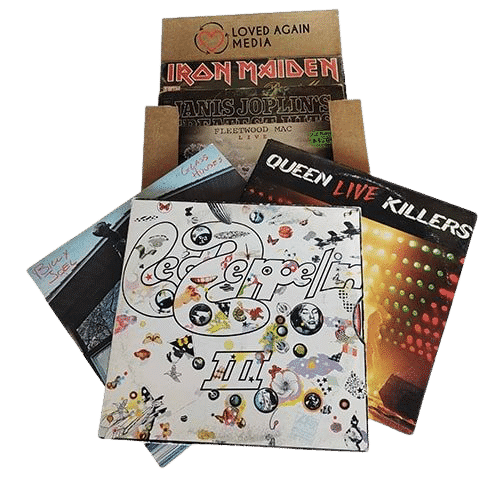
- Vinyl records: Strongest growth in physical music formats
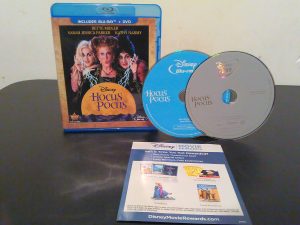
- Blu-ray discs: Preferred by collectors who want the best video quality
- CDs: Growing again after years of decline
- Cassettes: Small but active niche market
You’ll find two main buyer groups driving this change. Older collectors want to preserve their favorite content. Younger buyers seek authenticity and permanent ownership that streaming can’t provide.
Boutique labels and independent retailers play a bigger role now. They release special editions with bonus features, artwork, and extras that appeal to dedicated collectors.
Digital Vs. Physical Formats
Streaming offers instant access to millions of songs and movies. You pay a monthly fee and watch or listen to almost anything. But that convenience comes with trade-offs.
Physical media gives you permanent ownership. When you buy a disc, it’s yours to keep. Streaming services can remove content at any time, raise prices, or shut down.
Sound and video quality matter to serious collectors. Vinyl records offer warmth that many audiophiles prefer. Blu-ray discs provide better video quality than most streaming options.
Physical copies include extras you won’t find digitally. CDs come with liner notes and artwork. DVDs and Blu-rays often have director commentaries, deleted scenes, and behind-the-scenes features.
The tactile experience also matters. You can read the booklet, display your picks, and enjoy the ritual of choosing what to play.
Emerging Collector Communities
Young people are driving the physical media revival. They’re picking up formats that were already fading before they were even born. It’s not just about nostalgia, since many never experienced these formats in their original heyday.
Online communities make it easier than ever to connect with fellow collectors. You’ll find groups dedicated to everything from obscure genres to specific labels. These spaces let people swap tips, talk about rare releases, and share preservation tricks.
Independent record stores and specialty shops still matter. They host events, give personal recommendations, and create a vibe that online shopping can’t replicate. People seem to care more about quality than quantity now.
Instead of grabbing everything in sight, collectors chase special editions, first pressings, and rare boutique releases. This approach feels more sustainable and more rewarding. There’s something about the hunt and the story behind each piece.
Build A Collection You Can Play For Years
A strong CD, Collectible DVD, and Electronic Music library starts with a clear focus and a little patience. Over time, your shelves become a personal archive that doesn’t depend on licensing changes.
If you want a curated way to add variety, Loved Again Media can help you keep discovering keepers. When your collection grows with intention, every addition feels like it belongs. Start building your next stack of favorites today.
Frequently Asked Questions
Are CDs And Collectible DVDs Still Worth Buying?
Yes, especially if you value permanent ownership and consistent playback quality. Unlike streaming titles that can rotate out, physical media stays in your collection as long as you care for it properly.
Many collectors also appreciate bonus features, liner notes, alternate cuts, and packaging that digital platforms rarely include. For some releases, physical editions are the only way to access certain content.
Do CDs Sound Better Than Streaming?
In many cases, standard audio CDs offer uncompressed sound quality that can outperform basic streaming tiers. The difference becomes more noticeable with quality speakers or headphones.
Streaming can be convenient, but compressed files may lose subtle details. If sound clarity matters to you, CDs remain a reliable format.
What Makes A DVD Or CD Collectible?
Limited editions, first pressings, out-of-print titles, and special packaging often increase desirability. Box sets, exclusive bonus features, and regional variations can also add value. Condition plays a major role. Discs without scratches and packaging in strong shape typically command higher resale prices.
How Should I Store CDs And DVDs To Prevent Damage?
Store discs vertically in their original cases to prevent warping. Keep them in a cool, dry space away from direct sunlight and humidity. Handle discs by the edges only, and clean them with a microfiber cloth from the center outward. Avoid circular wiping motions that can cause scratches.
Do I Need Special Electronics To Play My Collection?
You’ll need a CD player, DVD player, or Blu-ray player that supports your chosen format. Many DVD and Blu-ray players can also play audio CDs, which simplifies your setup. Pair your player with a reliable amplifier or receiver and quality speakers to get the best performance from your collection.
Is Physical Media Better For Long-Term Access?
If long-term access matters to you, physical formats provide more control. Once you purchase a disc, it’s yours to keep and play without depending on licensing agreements or subscription changes. For collectors who value stability, ownership, and the experience of holding their media, CDs and collectible DVDs remain a strong choice.